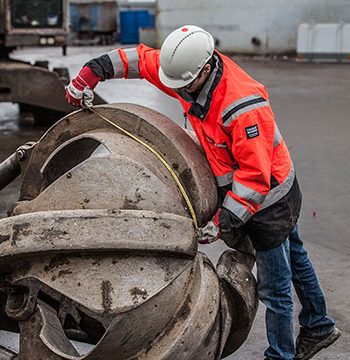
Durable construction designs benefit from careful metal fabrication methods. Attention to measurements, cutting accuracy, and other following will support longer-lasting structures.
Using reliable techniques during metal fabrication Dubai helps maintain strength and stability across various construction requirements. This approach also allows better control over project timelines and reduces the chance of structural faults.
Selecting suitable metal types
Each metal has different strengths. Structural steel provides high load support, while stainless steel offers corrosion resistance. Aluminium is lighter and works well in areas where weight matters. Matching the metal to the environment and design helps extend the life of the part and limits the chance of damage over time.
Ensuring correct thickness and size
Choosing the right thickness for each part supports structural safety and long-term use. Thin sheets may warp or crack under pressure, while thicker sections provide extra stability. During planning, it helps to confirm that the chosen dimensions match the expected load and fitting location.
Using protective finishes
Protective coatings such as powder coating, galvanising, or painting reduce exposure to moisture, heat, and air. These treatments lower the chance of rust or surface damage. Applying finishes in controlled workshop settings ensures even coverage and better protection across the whole piece.
Designing for fewer joints
Welds and bolts are common connection methods in fabrication. Reducing the number of joints lowers the chance of weak points. Whenever possible, larger single parts should be used instead of multiple smaller ones. This improves stability and limits movement between sections.
Allowing for movement and expansion
Metal expands and contracts with temperature changes. Including small gaps or flexible joints helps avoid stress on the structure. This is especially useful in outdoor applications or places where daily temperatures shift. Allowing for expansion prevents cracking or bending over time.
Maintaining accuracy during fabrication
Precision during cutting, drilling, and bending supports correct fitting on-site. Digital tools and templates help avoid mistakes in shape or size. Accurate parts reduce the chance of forced adjustments, which may weaken joints or affect overall alignment.
Checking each piece before delivery
Inspection before transport confirms that each part meets the specifications. Welds should be even, holes aligned, and edges clean. Catching problems early avoids delays or adjustments during the building phase.
